No. 417 | September 25, 2026
🧭 Sorting the polling signal from the noise
Ben Jacobs spoke with campaign pros who give some useful tips for separating what’s real and what’s fake in the fog of war at the end of a race. His must-read piece explains why more information isn’t always better. And prediction markets can reflect the same public polling and conventional wisdom rather than adding any genuinely new insight.
The useful distinction is between the private polling campaigns use to make decisions and the internals they choose to release. And public polling has never been noisier, with doubts as to whether the polling firms releasing numbers are even real.
Between Democrats and Republicans, there was one clear point of consensus: a frustration with both public polling’s influence on American politics and its flaws. “The reality is that most people who do this for a living take all of that with an absolute grain of salt,” said Steve Schale, a veteran Democratic operative in Florida.
It isn’t so much that all polling is bad, the pros say. In fact, there was praise for public polling by major media organizations and a handful of state-level academic institutions, such as Marquette University, whose polls of Wisconsin are considered the gold standard there. “The issue is that it has never been cheaper or easier to poll the wrong way and more expensive or complicated to poll the right way,” said Democratic pollster Zac McCrary. (emphasis added)
Amen.
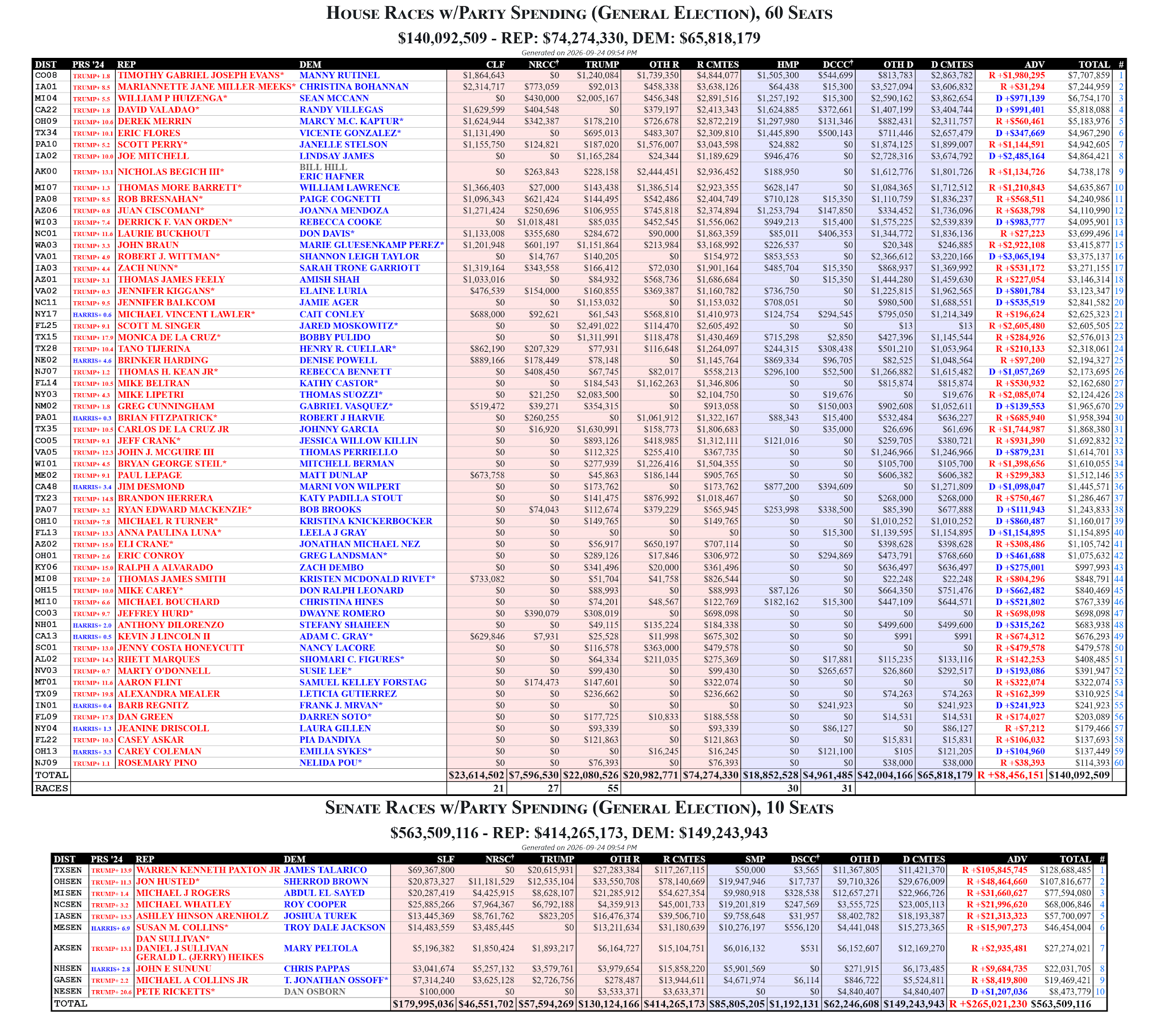
There is one source of truth that can separate polling signal from noise and that’s spending. It’s one thing for a campaign to release a poll showing a close race. But if outside groups aren’t spending money in the district, that means their data isn’t showing a competitive race.
There’s no better source for this than Rob Pyers’s spending board puts the numbers in one place. That tells you which races insiders see as the actual tipping points.
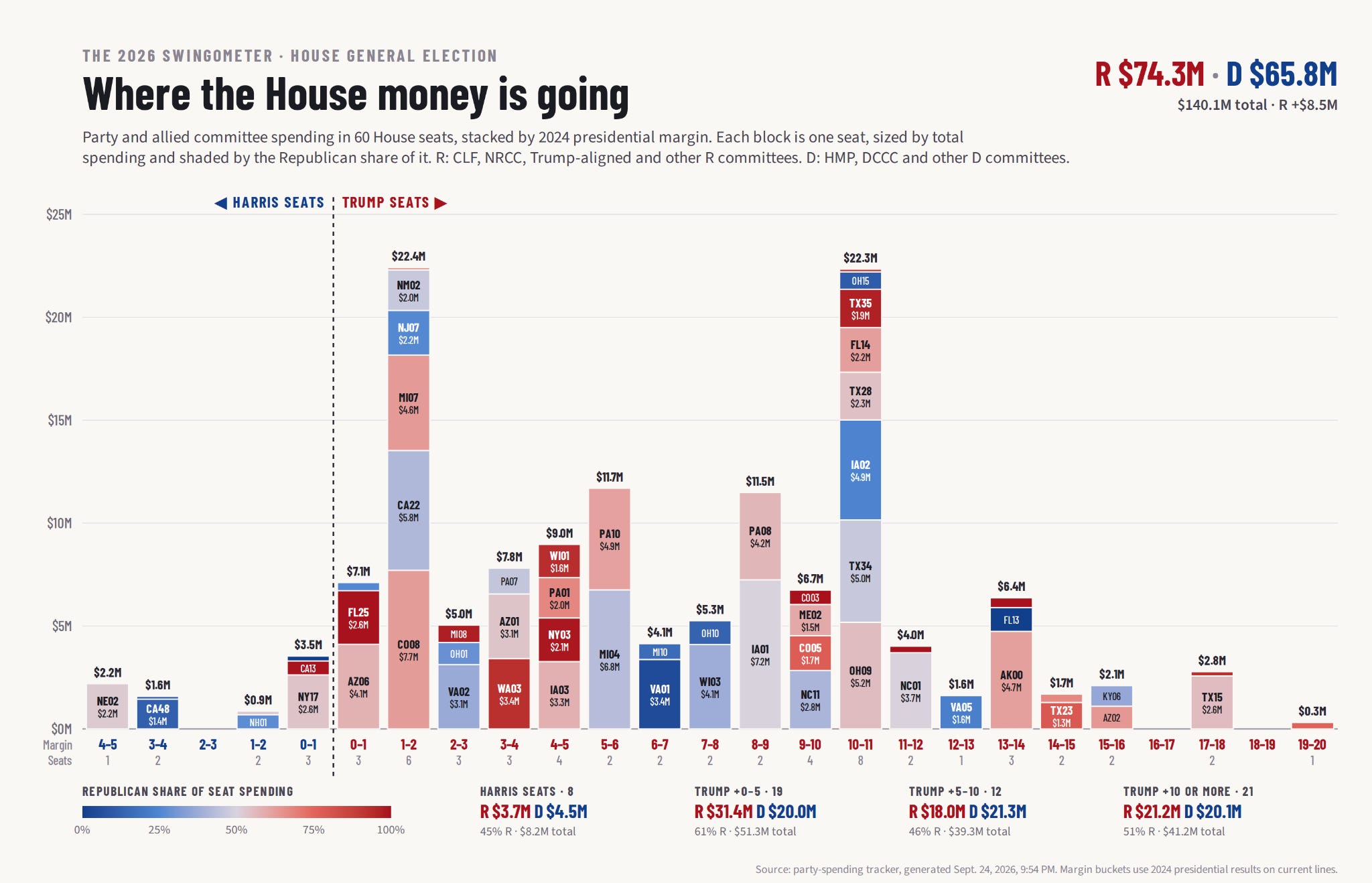
Here’s that data in chart form, visualizing where that spending is going and who has the outside spending advantage. And it shows that party spending drops off in seats that went for Trump by 11 points or more
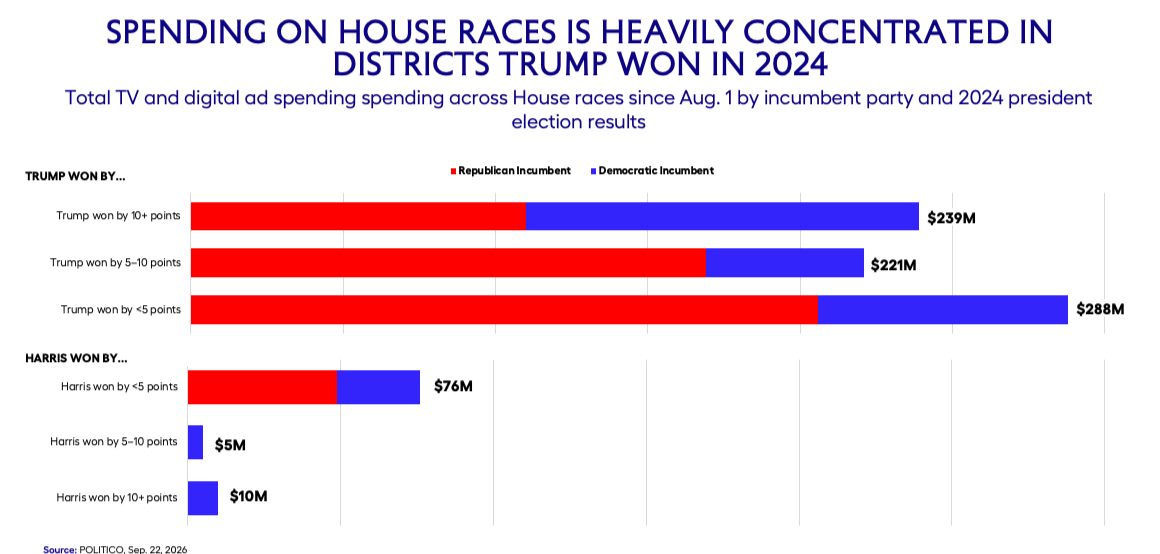
Doug Sosnik’s midterm update, chock full of useful data, clarifies this even further with a picture of the full TV & digital spending landscape.
🎙️ Conservative podcasters are talking less about Trump
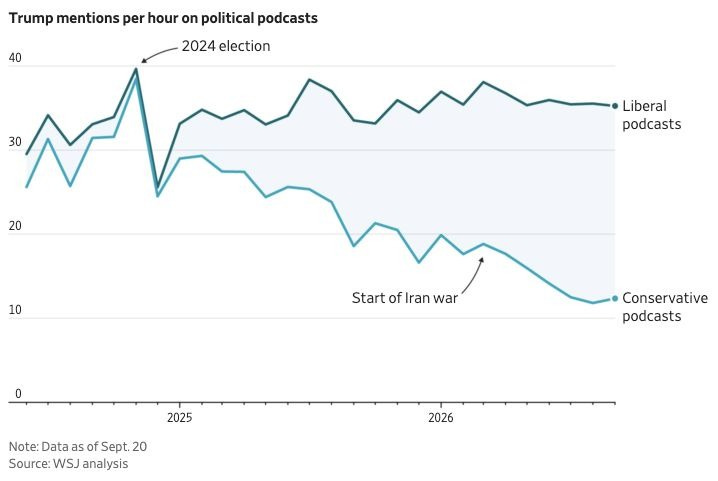
The Wall Street Journal broke down more than 70,000 hours of political podcasts. Mentions of Trump’s name on conservative podcasts have fallen nearly 70% from their peak, while liberal podcasts continue to talk about him just as much.
📊 Hispanic voters may add to Democratic gains
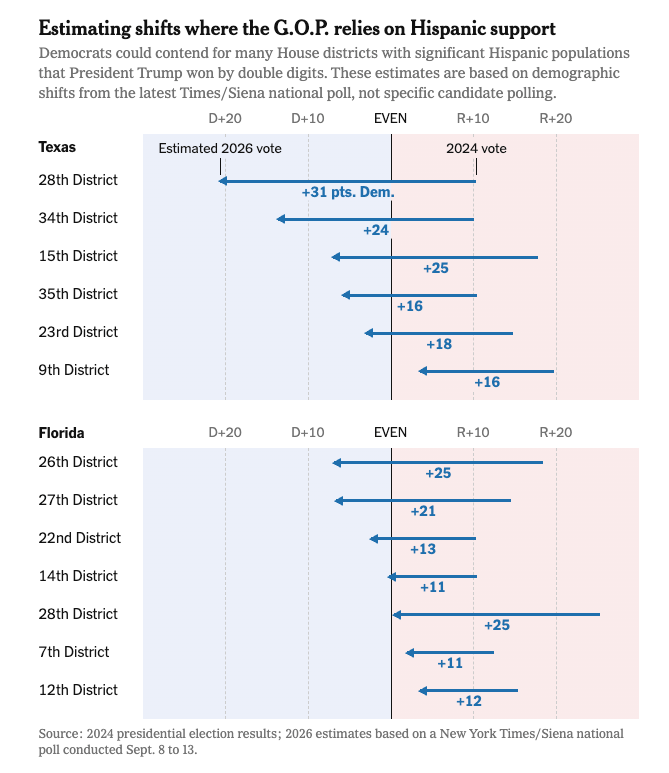
The House Swingometer’s most probable seat result is a 228-207 Democratic majority today, but Hispanics are one voter bloc where Democrats might overperform. A shift towards Democrats among Hispanic voters could make change the outcome in multiple Texas and Florida districts despite Republican redistricting efforts.
🔴 Is the blue wave only in red states?
The new FiveThirtyEight reunion show asks the question:
Here’s Nate Silver’s take:
By contrast, though, Democrats’ polling has been pretty “mid” in blue states.
Sure, maybe Collins, as one of the few truly moderate members left in Congress, is an exception to the throw-the-bums out mood. The other NYT polls were perfectly fine for Democrats. In Michigan, Abdul El-Sayed had led by 3.3 points in the FLIPR polling average prior to the NYT poll, so the poll should actually help him. The poll is consistent with El-Sayed paying a progressive “tax” of a few points, but probably still winning.
In some ways, it’s more surprising to see Chris Pappas only ahead by 5 points in New Hampshire — or Peggy Flanagan in a close-ish race in Minnesota, or Kathy Hochul struggling to achieve a double-digit lead in New York. (Though other polls disagree there.)
Eagle-eyed Intersection readers will notice we’ve been on this beat for a while. The last several cycles (including the last two races for this very seat in Kansas) have seen predictions of Democratic overperformance in red states that doesn’t end up materializing. Polls tend to miss more in red states and the current cycle’s polling — even nonpartisan if you filter down to polls — show more Democratic overperformance in red states.


📮 VoteHub’s early vote tracker
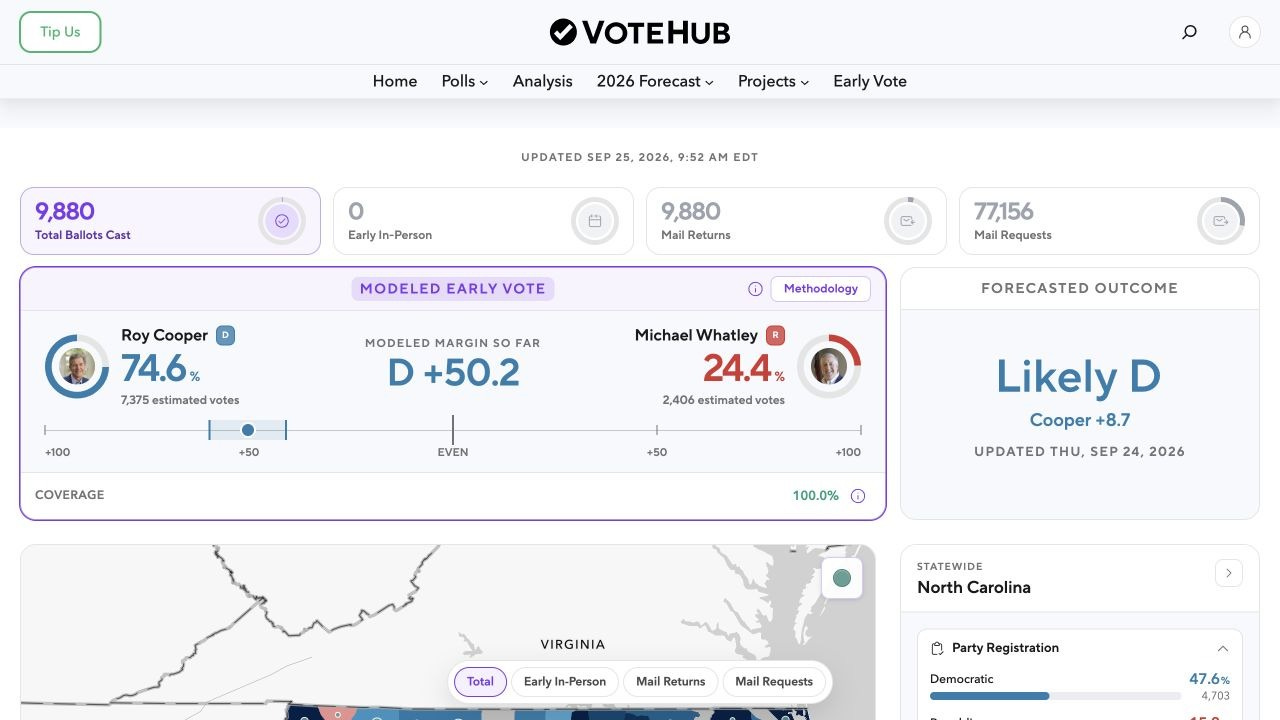
VoteHub’s Early Vote tracker is live. Not only does it use voter file data to tell us the partisanship of those voting, but also estimates the 2024 and 2026 vote breakdowns from these voters.
📊 The environment tops list of concerns Americans have about data centers
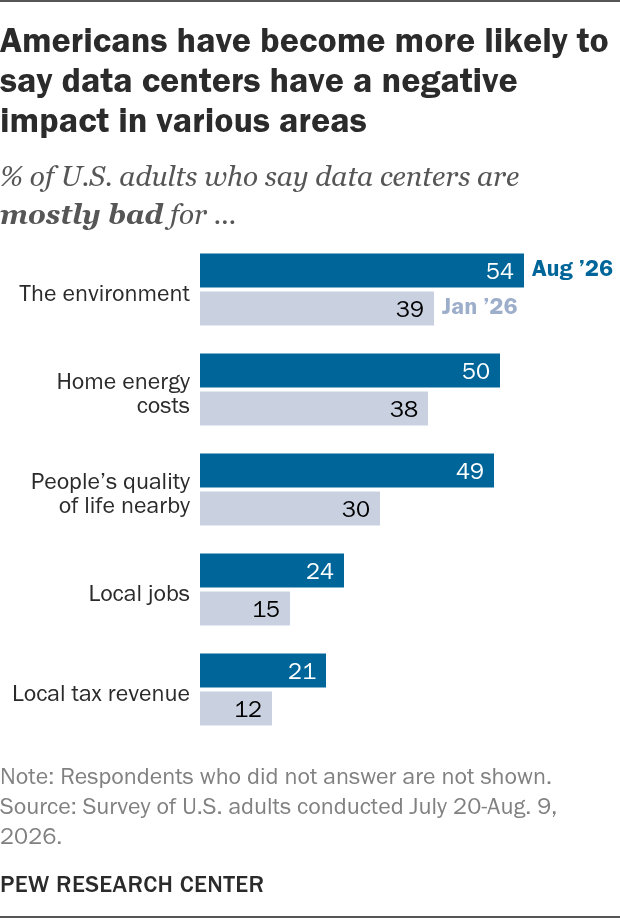
General public opinion towards the effects and construction of data centers has grown increasingly negative this year, with the environment being the top concern and nearby quality of life rising fastest.
🏀 Prediction market volume has spiked. Politics has nothing to do with it.
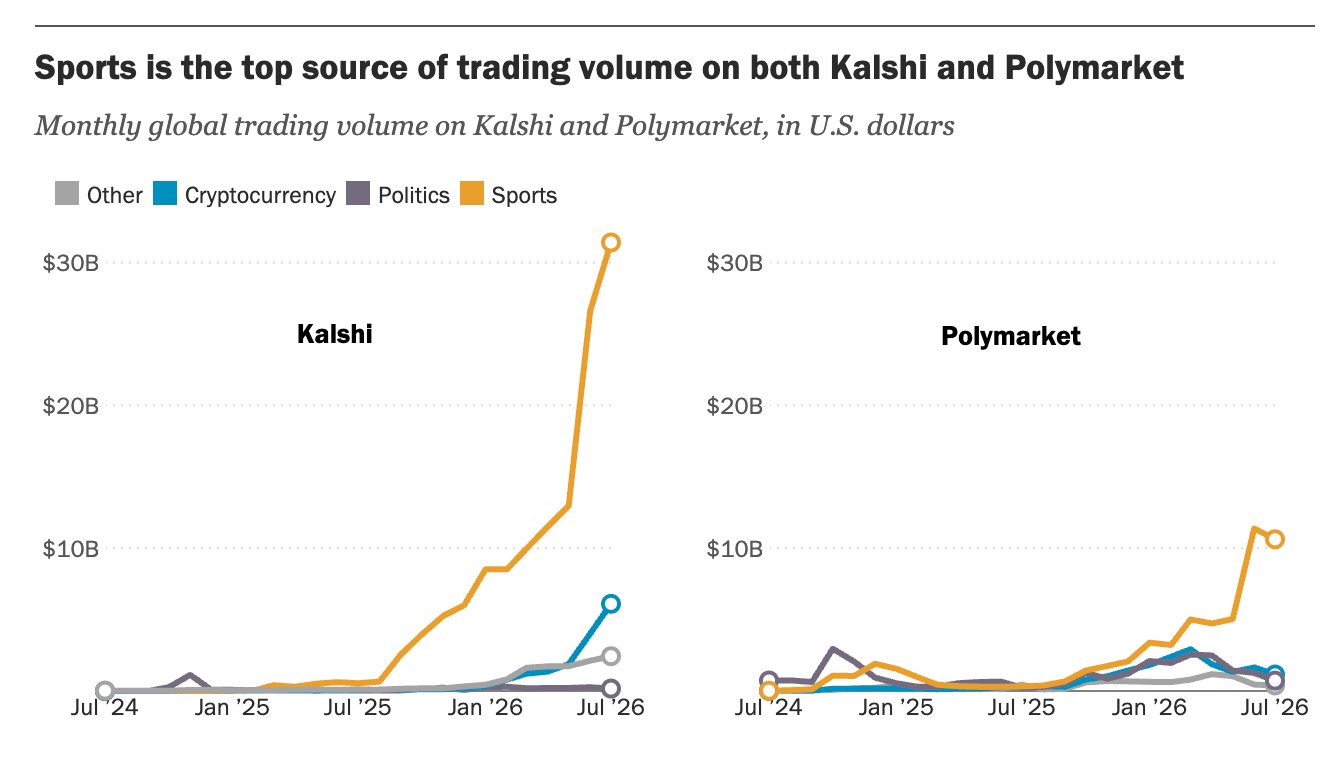
In the past year, trading volume on prediction markets Kalshi and Polymarket have skyrocketed, more than doubling between May and July. The lion’s share of the growth is in sports betting. Politics is a rounding error, something you wouldn’t know based on the feverish coverage of political prediction markets. But that also means that there’s lots of room for politics to grow.